Author: gunin@davnoot.com

  • Play a Key Role in Industrial Product Protection

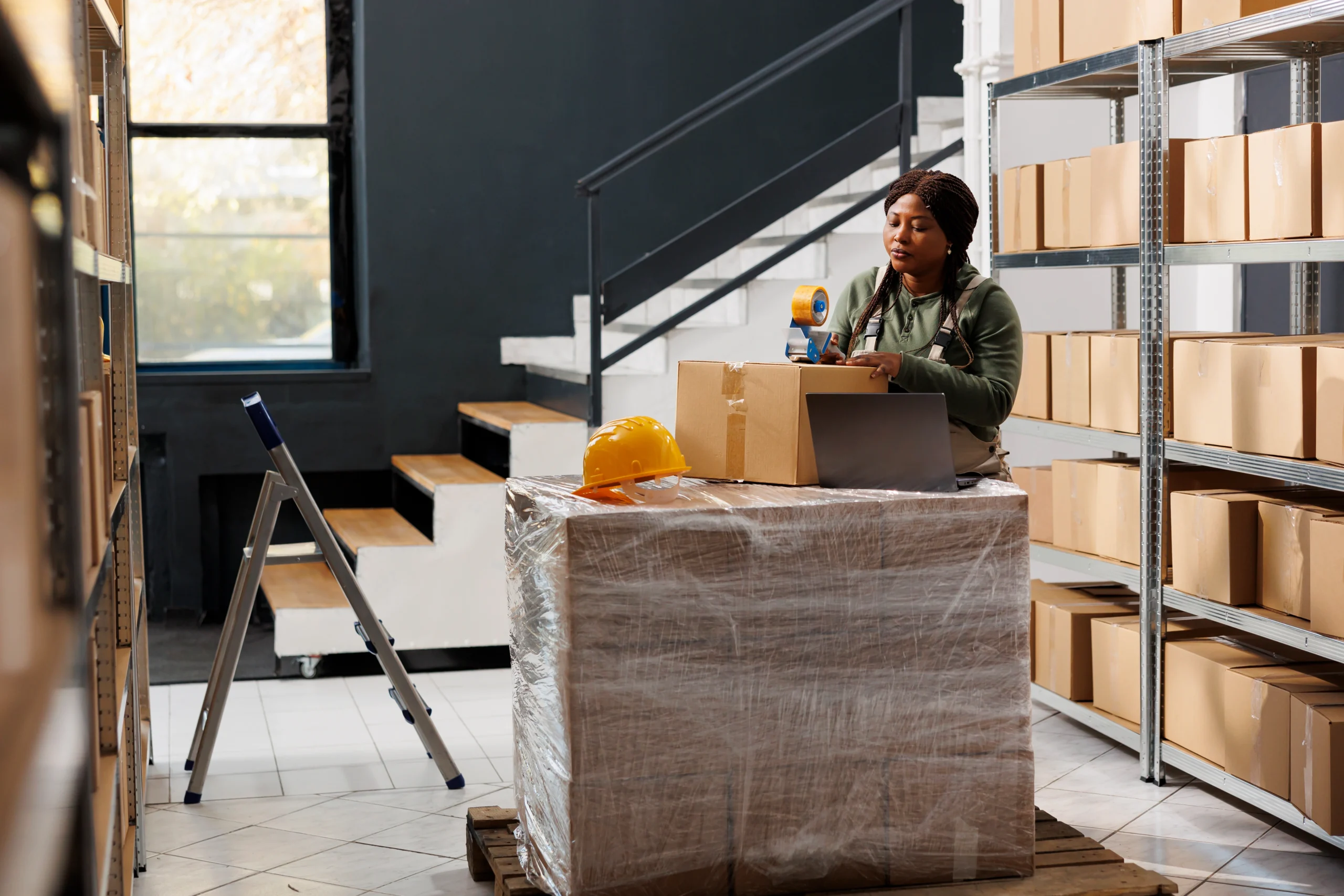
    The protection of production, storage, or agricultural goods requires reliable and high-performance packaging materials. This need is particularly acute for those involved in the storage and transportation of material resources, equipment, and inventory. One of the best ways to protect products from external effects such as moisture and maintain clean storage rooms is polyethylene liner.

    With its help, it is possible to exclude many damaging effects from storage conditions. The article discusses the advantages and importance of such a product.

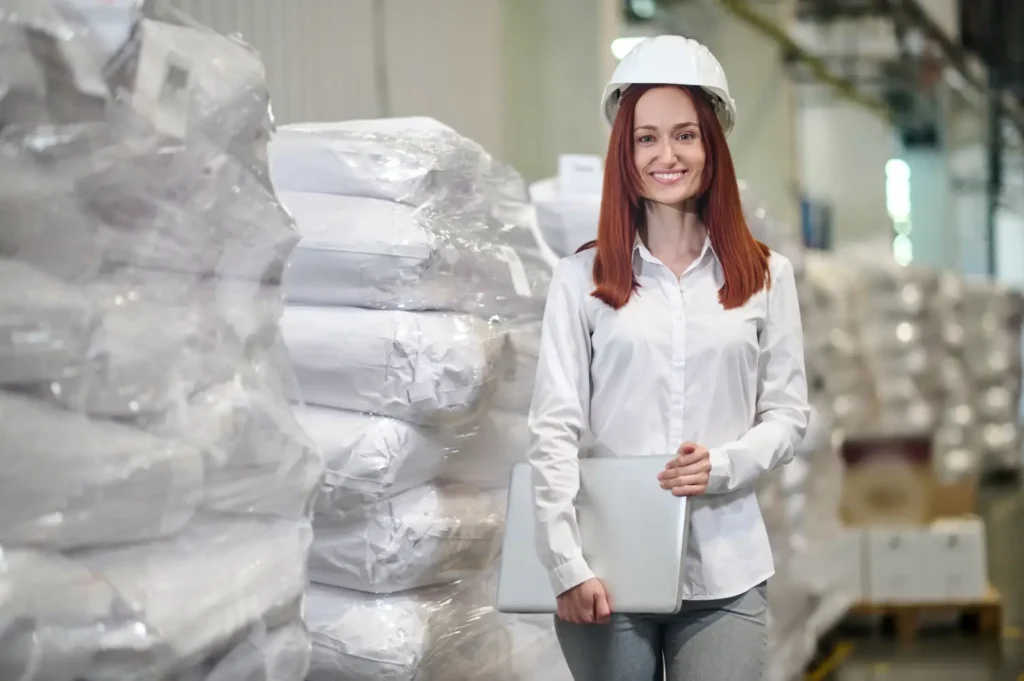
    First of all, polyethylene liner is a versatile and multifunctional packaging material that is well suited for use in a wide range of industries. In addition, it is produced in several different sizes and shapes, which makes it possible to choose the most cost-effective option for each particular case. The versatility of this material ensures full protection of stored goods, whether they are raw materials, containers, equipment, or finished products.

    High-quality liner enables to achieve cost-efficiency and optimization of the cleaning process, eliminates the possibility of contamination, and establishes an organized storage system. This product has a number of advantages over traditional methods of protecting goods from external influences.

    Thus, the importance of using polyethylene liner for the storage of goods is undeniable. High-quality packaging materials are an indispensable part of any business, ensuring the storage of goods in good condition and protecting against damage.
  • How the Right Food Packaging Improves Product Quality and Consumer Confidence ?

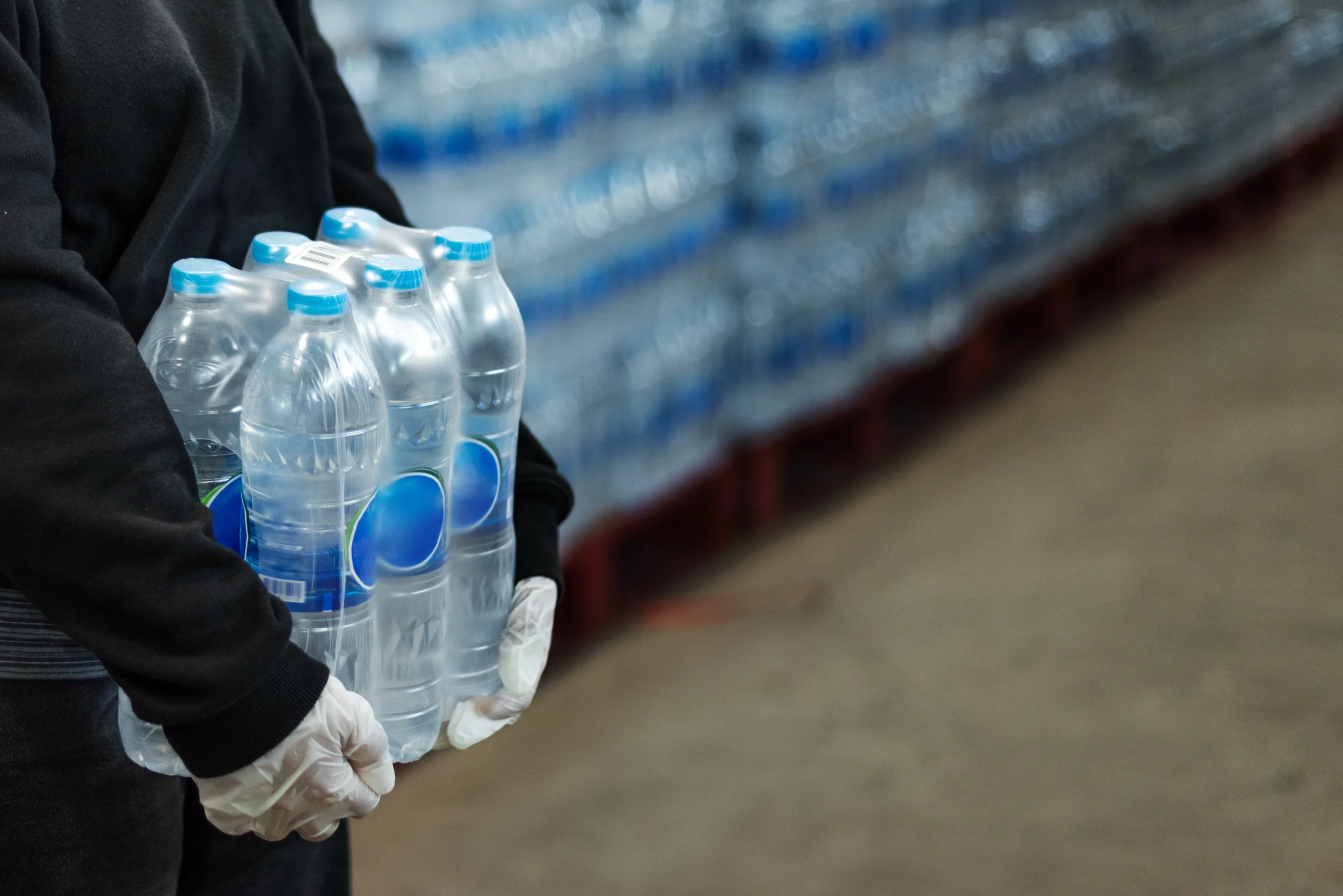
    The quality of food packaging directly affects the quality of products, their safety, and customers’ satisfaction. Companies, which choose to use polyethylene packaging food made of this material ensure the quality of their product from production to the store shelf.

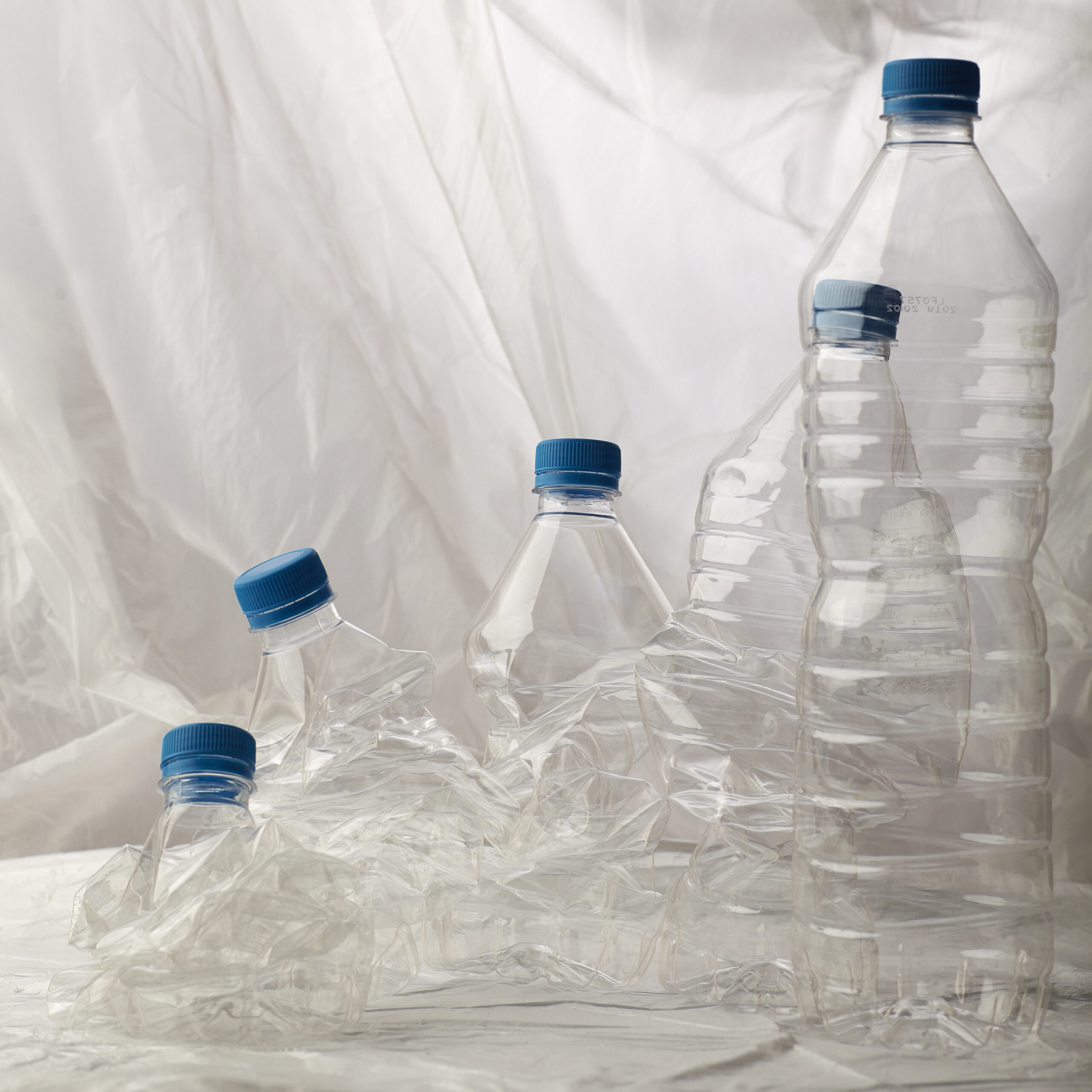
    The packaging made of polyethylene is resistant, flexible, and protects food products from external factors.This type of packaging is convenient and reliable since it prevents food from drying out, freezing, and getting damaged during transportation.

    Polyethylene packaging is suitable for packing different types of products, such as fresh vegetables, frozen meat, baked goods, dairy products, and other foods. Producers offer wide options for size and thickness of the film. Moreover, this type of packaging ensures efficient storage of the products.

    As a result of which, producers can reduce the costs associated with the storage of products, transportation, and the amount of defective products. Many companies choose the option of recycled materials for their food packaging.

    In conclusion, in connection with the increasing requirements for food safety, companies must choose reliable, safe, and high-quality packaging and ensure the high quality of their products.

  • Choosing the Right Polyethylene Liners for Industrial Applications ?

    Each industry has specific requirements for storage and material handling, so protective solutions play an important role in the functioning of any business. Polyethylene liners are perfect for a wide range of applications because they are reliable, protect the contents from external factors, and ensure the ability to provide high-quality storage solutions.

    Such a product is in demand in the production, agricultural, food, construction, waste management, and other industries. It is in great demand because of its versatility and reliability. First, polyethylene is a robust and durable material that can resist the effects of the elements. Second, this product is manufactured in a variety of specifications, so it can be used to store different types of goods. At the same time, manufacturers can offer customized solutions for specific customers. The use of liners made of polyethylene is also cost-effective since they allow for reducing the risk of damage and the loss of stored products.

    Many companies are looking for ways to optimize their operations by increasing efficiency and reducing costs. In this regard, using high-quality polyethylene liners can be one of the methods of optimization, as they can reduce the risk of product damage during storage or transportation. In addition, the use of such liners minimizes the risk of cross-contamination of various products and reduces the need for cleaning and maintenance. Businesses can eliminate many of the shortcomings of the storage process by selecting the right liner options and ensuring the integrity of the stored goods.

    Industries are growing and developing, and their needs for innovative and multifunctional solutions are increasing. Packaging made of polyethylene is suitable for use in almost any business because it contains the necessary technology for storage and transport while being multifunctional, cost-effective, and reliable.

  • Why Polyethylene Is Trusted Across the Food Industry ?

    Ensuring that food products are packed in high-quality products ensures their stable quality throughout the supply chain. That is why food producers are turning to Polyethylene packaging products to secure their goods. With this material, it is possible to ensure product quality, protect it from external factors, such as moisture or dust, and maintain its stable quality.

    Polyethylene packaging is suitable for packing various food products, such as fresh or frozen goods, bakery products, dairy products, and other foods. Producers can choose the most reliable and cost-effective option among the available widths and thicknesses of films to ensure the stable quality of their products. Moreover, using high-quality packing materials contributes to the stable quality of goods throughout the supply chain and proper storage of goods in the warehouse.

    Many companies are moving towards sustainable packing materials to meet the growing demand for responsible production and support ecological safety. At the same time, such companies can choose the most reliable and eco-friendly materials without sacrificing the quality of packing. In conclusion, high-quality polyethylene food packaging is the key to ensuring the stable quality of products and meeting the growing customer demands.

  • How Polyethylene Liners Improve Industrial Storage and Material Handling?

    Protecting materials during storage and transportation is essential for maintaining product quality and improving operational efficiency. provide a dependable solution for businesses that require durable protection against moisture, dust, chemicals, and other environmental factors that can affect products and equipment.

    These liners are widely used throughout manufacturing facilities, agricultural operations, construction sites, food processing plants, and waste management systems. Their flexibility allows them to fit different containers, bins, and storage systems while providing a consistent protective barrier. Businesses can also choose customized liner specifications based on thickness, dimensions, and intended application.

    High-quality polyethylene liners help reduce contamination risks while minimizing product loss during handling and transportation. They also contribute to more organized storage systems and lower maintenance requirements, helping businesses improve overall productivity. As industries continue to focus on operational performance and sustainability, dependable liner solutions remain an important investment.

    By selecting polyethylene liners that meet specific operational requirements, organizations can enhance product protection, support efficient workflows, and maintain reliable performance throughout the supply chain.

  • The Role of Polyethylene Packaging in Maintaining Food Quality

    Maintaining food quality from production to the consumer is one of the biggest priorities for food manufacturers and distributors. Choosing the right packaging material plays a significant role in protecting products from moisture, contamination, and external environmental conditions. This is why  food solutions are widely used across the food industry.

    Polyethylene packaging offers an effective combination of flexibility, durability, and product protection. It is suitable for packaging fresh produce, frozen foods, bakery products, dairy items, meat products, and many other food applications. Manufacturers can produce packaging in different thicknesses and sizes, allowing businesses to select solutions that match their specific storage and transportation requirements.

    Efficient food packaging also contributes to smoother supply chain operations. Properly packaged products are easier to store, transport, and display while reducing the likelihood of damage or unnecessary waste. In addition, many packaging manufacturers continue to improve sustainability by incorporating recyclable materials and responsible production methods into their manufacturing processes.

    As food safety expectations continue to increase, businesses benefit from packaging solutions that combine reliable protection with operational efficiency. High-quality polyethylene packaging remains a trusted choice for companies focused on delivering safe, well-protected food products to customers.

  • Why Polyethylene Liners Are Used Across So Many Industrial Applications?

    Not just strong but also surprisingly flexible, polyethylene liners guard goods from wetness, grime, and outside gunk. These shields show up everywhere – factories shaping metal, farms holding harvests, kitchens packing meals, sites building structures, dumps handling trash, trucks hauling cargo.

    What holds it all together? A thin layer that keeps problems out while letting work move forward without pause. Toughness meets usefulness where conditions get rough.

    What makes polyethylene liners stand out is how easily they adapt to specific needs. Depending on the size of containers or how materials are stored, companies choose from a range of sizes and wall thicknesses. Because these liners fit so well, operations run smoother, plus there is less chance of spoiling contents or harming machinery.

    Starting off strong, those plastic linings guard items but also speed up daily tasks. Without adding bulk, they make moving things around easier plus cut down on mess later. Even when jobs get tough, their slim design holds up well. Because they last, teams spend less time fixing or replacing. Efficiency sticks around, mainly because the material keeps going without slowing work.

    Nowadays factories care more about output and green practices, so strong liner materials still play a key role in today’s wrapping setups. Picking proper polyethylene covers allows companies to guard important goods, make machines last longer, while also boosting how well items move through delivery networks.

  • How Quality Packaging Helps Protect Food Products Throughout the Supply Chain?


    Wrapped around meals like a second skin, polyethylene keeps food safe on long journeys. Though light in hand, it stands strong against dampness and dirt from outside. Because it lasts through rough handling, makers rely on it across many kinds of edibles. Freshness stays locked inside thanks to its tight seal. Seen everywhere from farms to shelves, this wrap earns its place without flash or fuss.

    From shelf to shipment, polyethylene wraps fit everything – crisp veggies, icy meals, soft breads, cold milk. Not every material shifts so easily between thin films and heavy-duty rolls. Meeting safety rules comes naturally when the design already works within set limits. Factories keep moving because the wrap adapts without slowing down lines. Storage spaces fill smarter once shape and size align with real needs. What a product needs often shows up first in how it’s held together.

    One big plus? It saves time and cuts down mess. When packages fit just right, less food gets ruined on the way to stores. Moving boxes around becomes smoother too. Storage stacks better when shapes match up well. Some makers now use paper-based wraps instead of plastic junk. Factories run cleaner these days thanks to updated methods. Firms hit targets easier because of these shifts.

    When people expect more, good food packaging matters more. Picking strong polyethylene wraps helps keep items safe and fresh. Some companies find it easier to deliver goods without damage when they use better materials. Staying ahead means using what works today for tomorrow’s needs.

  • Why Polyethylene Liners Are Essential for Modern Industrial Operations?

    From farms to factories, keeping stuff clean and dry matters a lot. Not every container does the job right. Plastic linings step in where basic packaging falls short. Moisture tries to sneak in. Dust settles where it should not. Outside conditions shift without warning. These inner sleeves block what does not belong. 

    They guard shipments moving across regions. Stored items stay safe even when air changes. Factories rely on them simply because they work. Damage drops when these shields are used. Long hauls test durability. What lies beneath stays untouched. Protection happens quietly, day after day.

    Offered in many sizes and thickness levels, these polyethylene liners adapt easily across sectors like farming, building, factory work, trash handling, plus food production. Because they bend without breaking, companies use them to shield bins, tools, and goods – this cuts repair needs while keeping materials intact.

    What makes polyethylene liners stand out? Their strength cuts down on wear, slowing system breakdowns. Because they hold up well, fewer replacements are needed over time. When operations run smoother, less downtime follows.

     Firms focused on lasting results often choose these liners without hesitation. Toughness meets reliability where it matters most – inside tanks, bins, and containers everywhere.

  • Safe Food Packaging Starts with the Right Polyethylene Solutions


    Wrapped around every bite, food wraps do way more than hold things together – they guard freshness from factory shelves to your hands. That’s the reason so many companies turn to polyethylene, a material tough enough to bend without breaking while standing up to rough handling across long journeys.

    Starting off strong, polyethylene wraps keep food fresh by blocking moisture, dirt, and outside gunk. Used across the board – from veggies to ice cream – this material holds up well without adding weight. When needed, makers tweak thickness or shape so each package handles shipping and shelf life just right.

    Food safety rules keep changing, so companies look for wraps that guard goods well yet fit smooth workflows. Some plastic coverings made of polyethylene think ahead about earth impact – recycled stuff inside, cleaner production steps followed. 

    Top-grade food wraps boost defense on shelves, cut trash amounts piling up, hand people cleaner outcomes – and move faster from factory to table too.